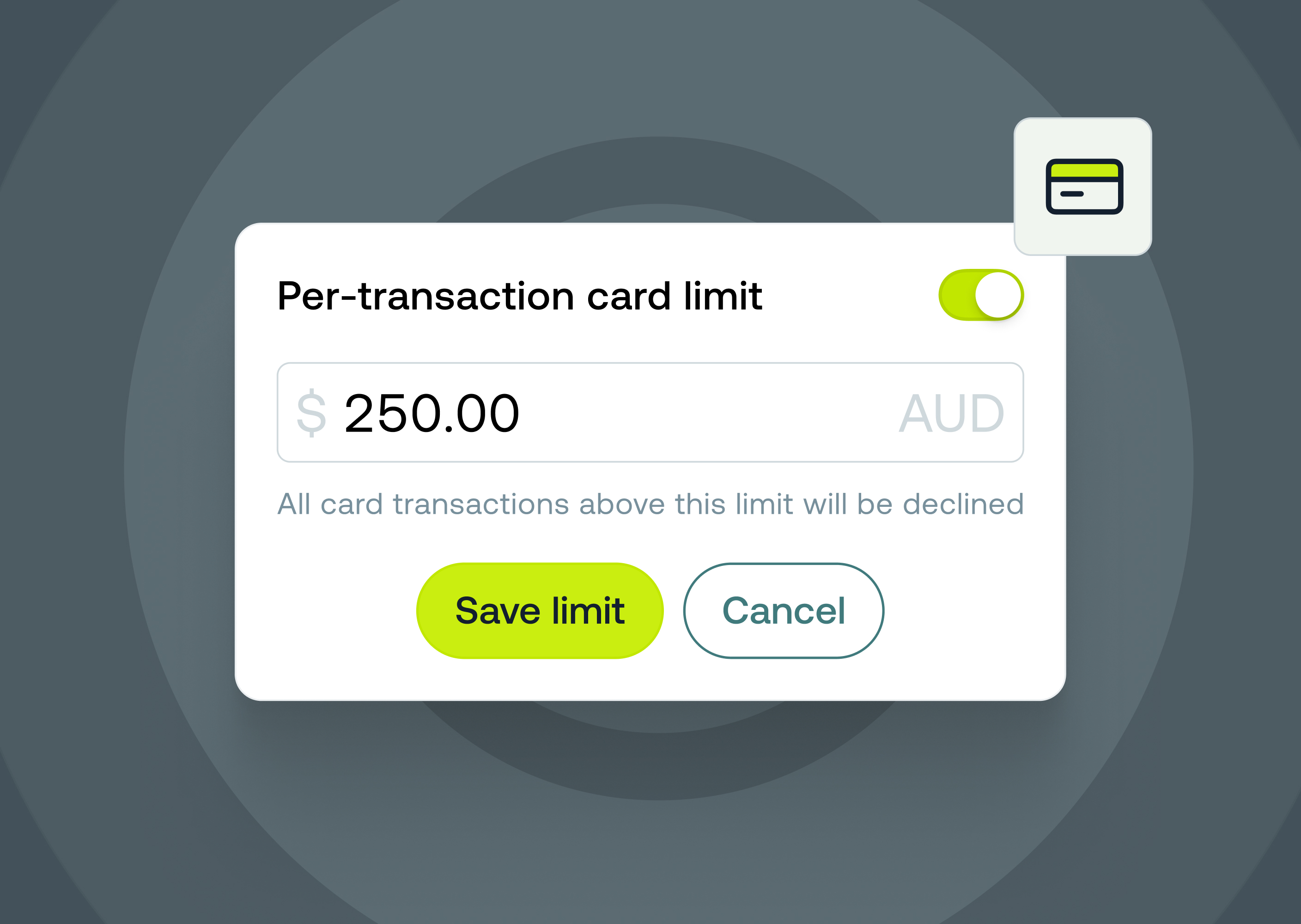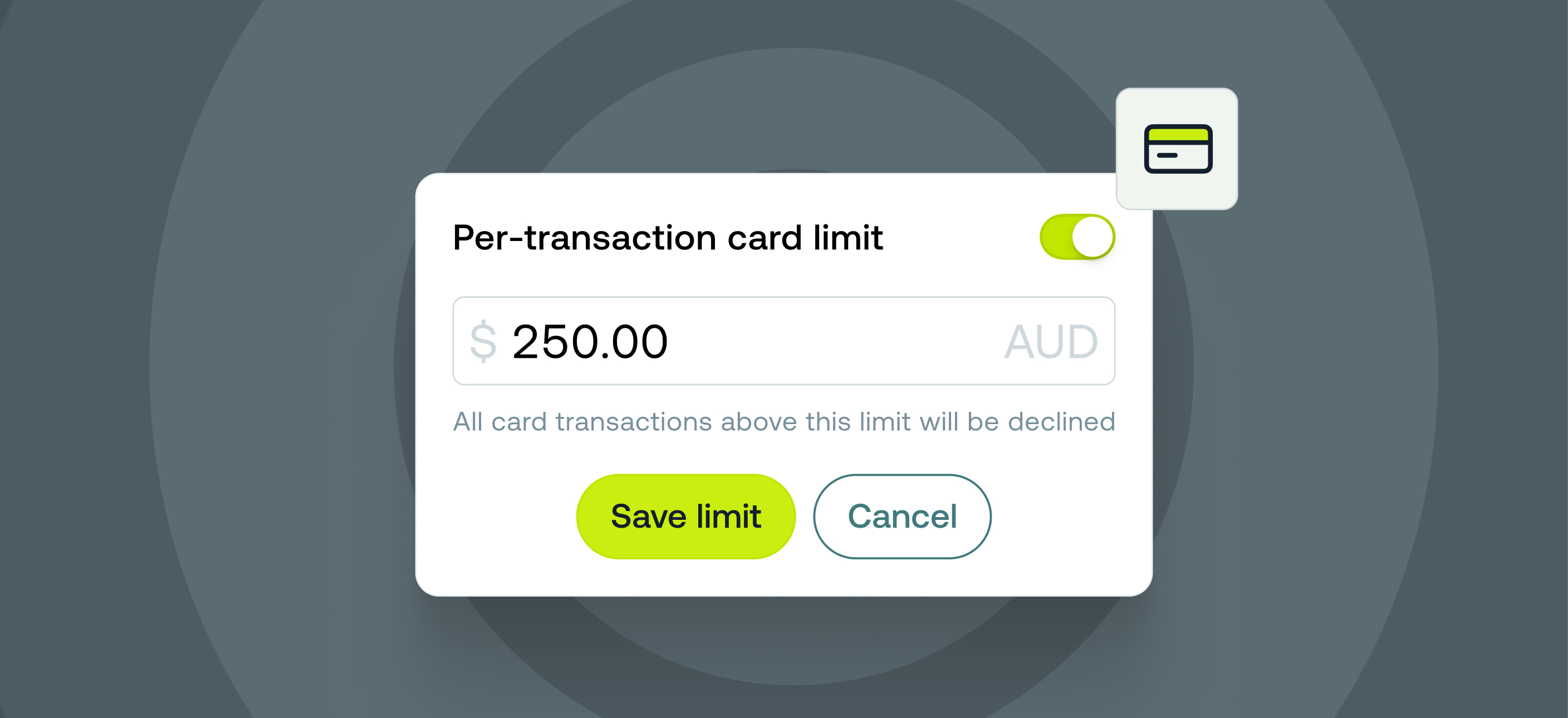

You can now set a maximum amount for any single card transaction, at the business level and on each budget and subscription.
Any card purchase above the limit is declined automatically at the point of payment, and the cardholder gets a notification explaining why.
Use the business-wide limit as a ceiling for every card transaction across your organisation. Then set tighter limits on individual budgets or subscriptions where you need them.
This is available to all customers on our Basic, Premium and Enterprise plans.
Set a business-wide limit
Set a limit on a budget or subscription
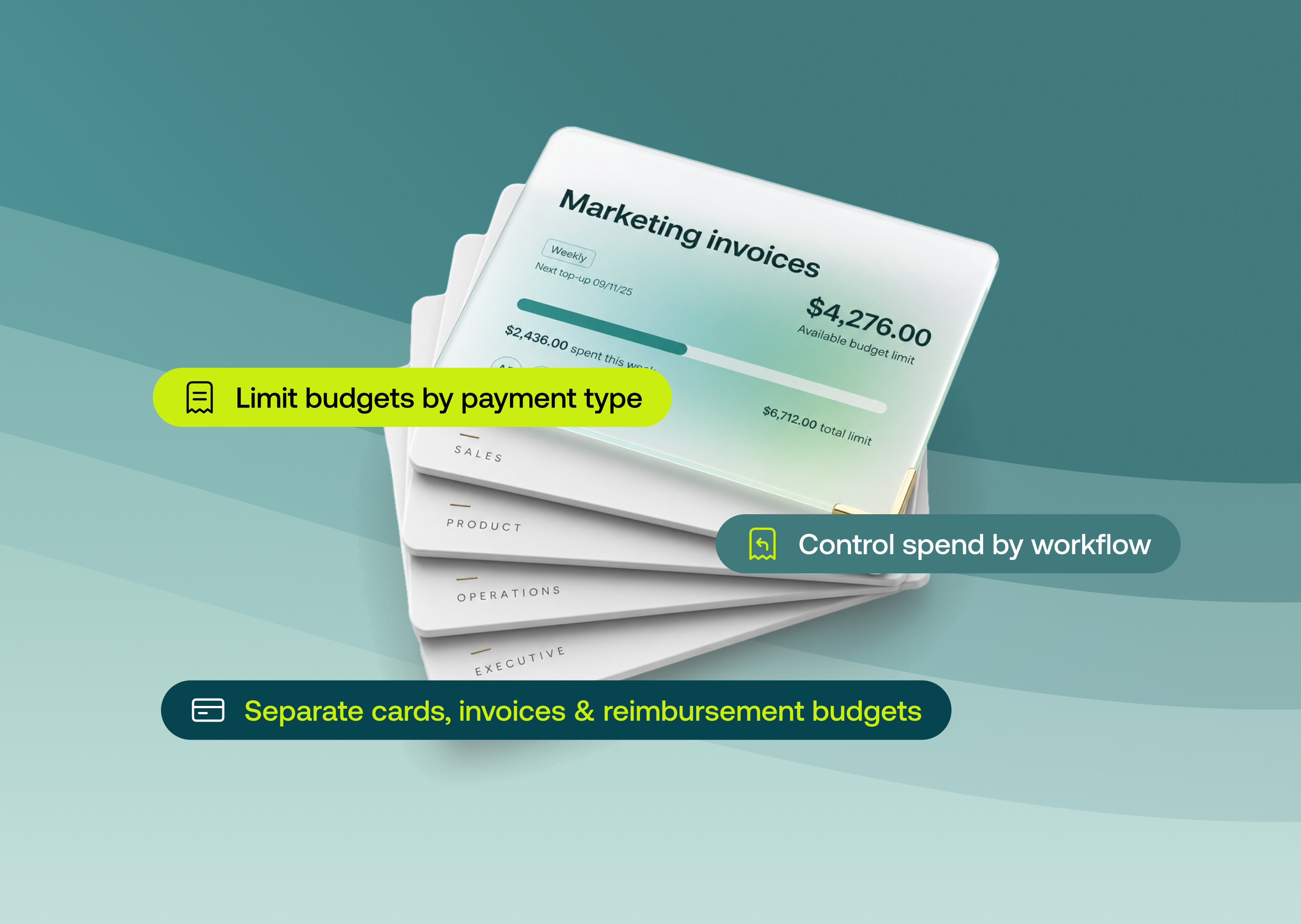
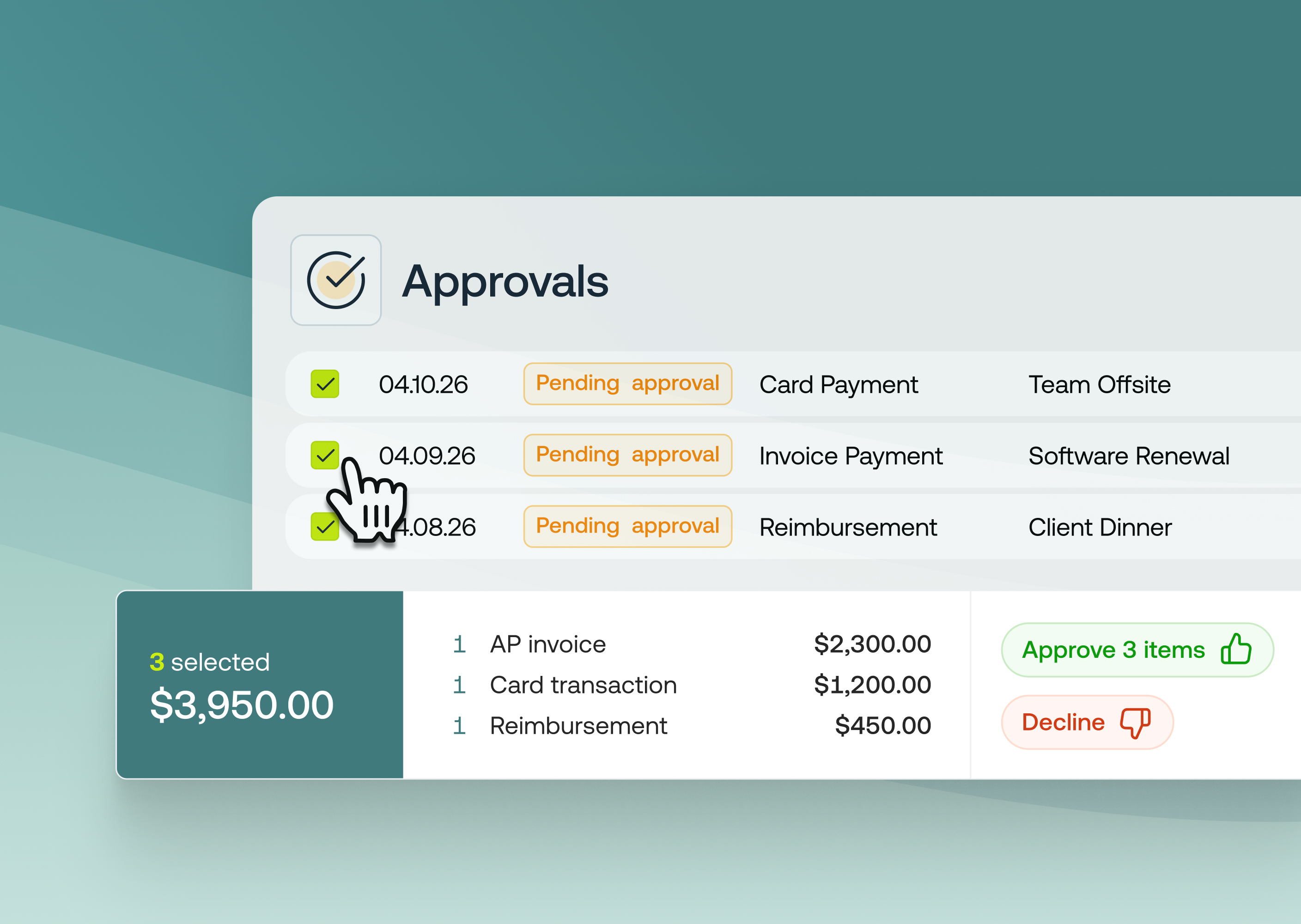
Per-transaction limits apply to card transactions only. Accounts payable invoices and reimbursements continue to follow your existing approval flows.
Please note, limits are enforced when a merchant asks us to authorise a payment. There are scenarios where transactions complete without Weel being involved in the authorisation process — such as a merchant force-clearing a payment, or taking payment while their terminal is offline — and those can go through above your limit. Treat per-transaction limits as a strong control rather than a guarantee.




©2017 - 2026 Weel Holdings Pty Ltd
All rights reserved