





This guide covers what budget planning software actually does, the features worth prioritising, and how teams across Australia use Weel to keep every budget complete and every period closed on time.
What is budget planning software?
Budget planning software is a category of finance tool that combines three functions: budget creation, spend tracking, and policy enforcement. It replaces the manual cycle of spreadsheets, approval emails, and end-of-month reconciliation with a live system where every transaction sits inside a budget line from the moment it happens.
At the core, budget planning software connects your approved budgets to actual spend as it occurs. When a team member makes a purchase on a corporate card, submits a reimbursement, or raises a purchase order, the system instantly records it against the relevant budget. Finance managers see where each department stands in real time, not after the fact.
For growing Australian businesses, the distinction matters. A spreadsheet-based budget is a snapshot. Budget planning software is a live view of where you stand right now.
Why budget planning software matters for Australian finance teams
Spreadsheets break under pressure. As headcount grows, card volumes increase, and departments multiply, the manual process of collecting spend data, coding transactions, and rolling it up into a budget report consumes hours that finance teams don't have. The Australian Bureau of Statistics tracks business performance indicators that consistently point to cash flow and cost management as top concerns for growing businesses.
The consequences are predictable: overspends discovered at month-end, approval processes that exist on paper but not in practice, and a close cycle that drags out for days because no one has a clear picture until the books are pulled together.
Budget planning software addresses each of these gaps directly.
Real-time spend visibility
When every transaction is captured and coded at the point of spend, finance managers don't need to wait for reports. The budget tracker updates automatically. Departments can see their own balance. Finance can intervene before a line is blown, not after.
Policy enforcement before the spend happens
The most important shift budget planning software makes is moving enforcement from reactive to proactive. Approval workflows, spend limits, and category restrictions are defined once and applied automatically. A purchase that falls outside policy is flagged or blocked before it clears, not flagged in the next reconciliation run.
Faster month-end close
When spend is already coded, approved, and sitting inside a budget line, month-end is confirmation rather than reconstruction. Finance teams using structured approval workflows reach 95% expense completion, compared to 88% for teams without them. That 7-point gap closes months, not just individual transactions (Weel data).
Key features to look for in budget planning software
Not all budget planning tools are built for the same problem. Here's what matters for finance managers evaluating options.
Budget management at the transaction level
Look for software that ties budgets directly to the transaction, not just the monthly summary. Each corporate card spend, reimbursement, and purchase order should automatically map to a budget line. This is what makes real-time tracking possible and removes the manual coding step.
Configurable approval workflows
Approval rules should reflect how your business actually works: by department, by spend category, by amount, or by combination. Finance managers need to define the policy once and trust it runs automatically. The right budget application enforces limits without manual oversight at every step.
Integration with your accounting software
Budget planning software that doesn't sync to your accounting platform creates a second source of truth. Look for direct integrations with Xero, MYOB, or your ERP. Spend that syncs automatically eliminates the end-of-month export and import cycle that turns reconciliation into a weekend job.
Expense tracking across all spend types
Corporate card spend is only one part of the picture. Reimbursements, purchase orders, and subscription payments all sit against budget lines. A complete expense tracking view consolidates all spend types in one place, so there are no surprise line items in the close.
Audit trail and reporting
For compliance and governance, every budget decision needs a record. Who approved what, when, and against which policy. This matters for internal audit, board reporting, and regulatory requirements. Good budget management software captures the full trail automatically.
Types of budget planning approaches
Different businesses use different methods. Budget planning software should support the approach your finance team already uses, or the one you're moving towards.
Top-down budgeting. Finance sets the total envelope and allocates it to departments. Useful for cost control environments and businesses with tight margin discipline.
Bottom-up budgeting. Department heads submit forecasts that roll up into a total. Useful for accuracy and buy-in, but requires a system that can aggregate and reconcile submissions without manual consolidation.
Zero-based budgeting. Every line is justified from zero each period. Resource-intensive but removes legacy assumptions from the budget. Software that tracks spend by category makes zero-based reviews practical rather than theoretical.
Rolling forecasts. Rather than annual budgets with quarterly reviews, rolling forecasts update continuously. This requires budget software that can reforecast automatically as actual spend comes in.
The budget template or method matters less than the system behind it. Software that enforces policy in real time works regardless of which approach you use.
How Australian finance teams use Weel for budget planning
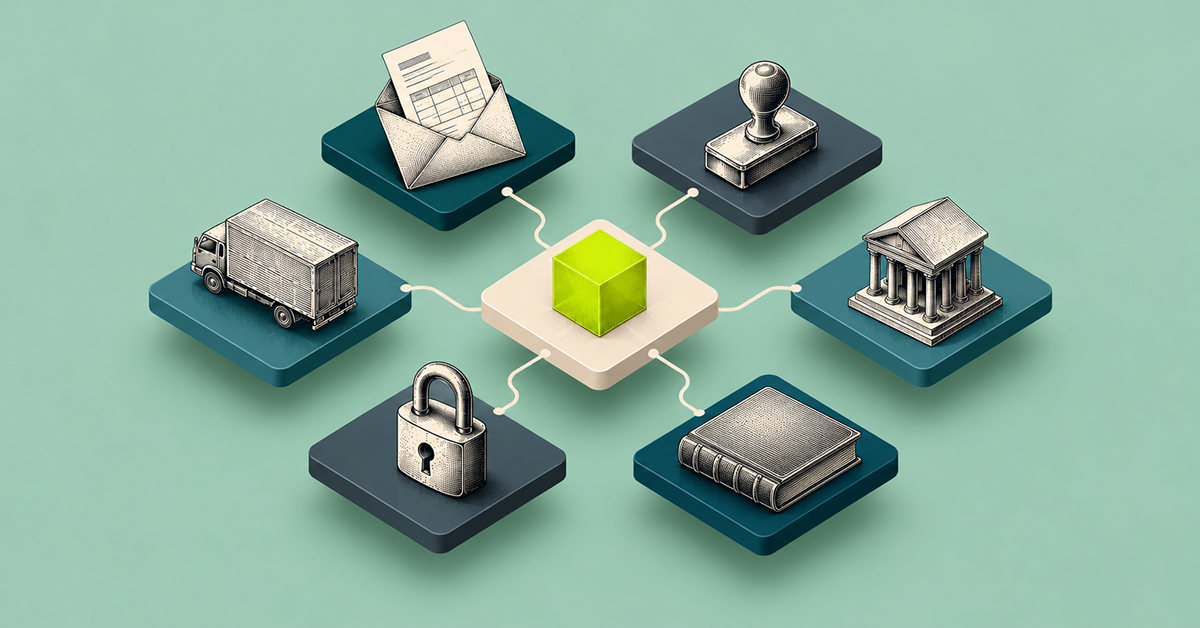
Weel is built for the close. It connects corporate cards, reimbursements, accounts payable, and purchase orders into a single spend management platform: each transaction coded, approved, and sitting against a budget line in real time.
Over 4,000 Australian businesses use Weel to manage company spend (Weel data). The results are measurable: half of all card transactions are fully manager-approved within 24 hours, and over 90% reach full approval across 3.9 million transactions (Weel data).
For finance managers, that means the budget tracker is always current. For CFOs, it means the close is already done before the period ends.
The Weel budget loop
StageWithout WeelWith WeelBudget creationSpreadsheets, manual allocationSet once in Weel, enforced automaticallySpend captureReceipts collected after the factCaptured at point of spendApprovalsEmail chains, missed approvalsAuto-routed by policy, enforced in real timeBudget trackingEnd-of-month reconciliationLive balance, updated per transactionMonth-end closeReconstruction from multiple sourcesConfirmation of what's already complete
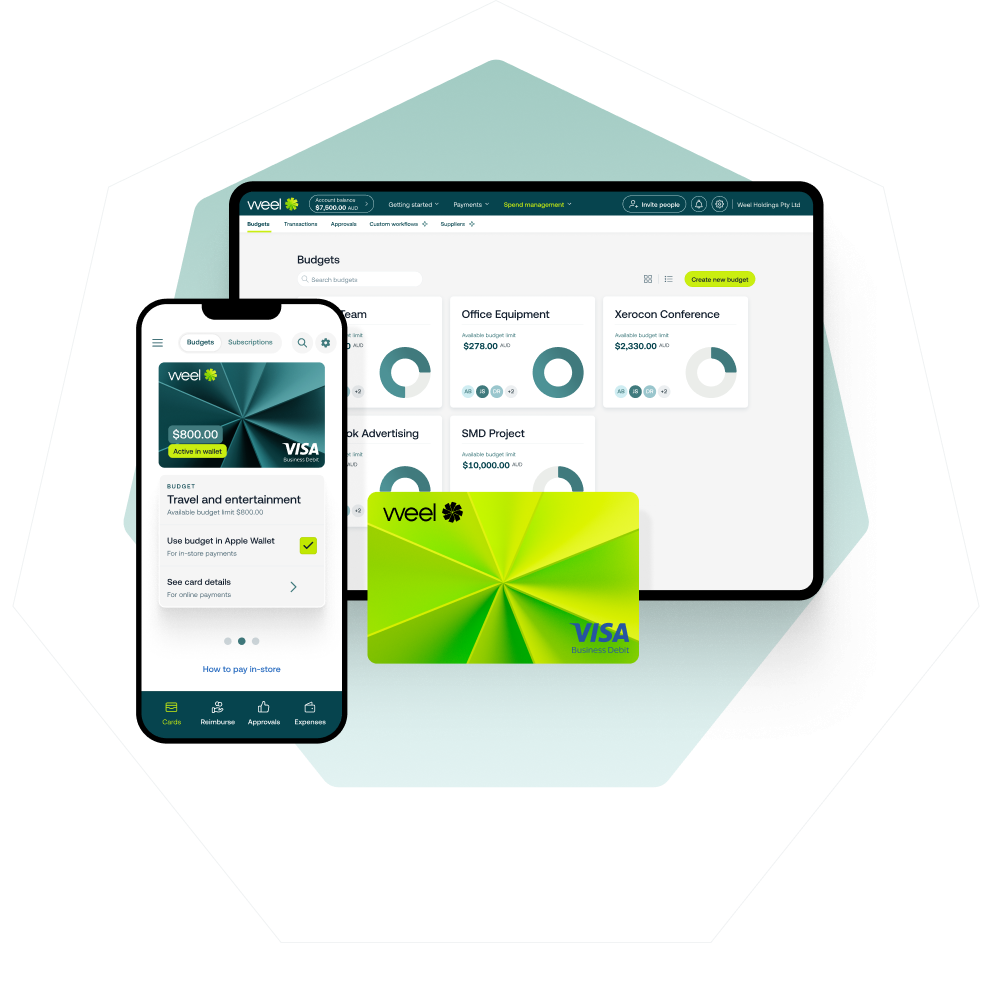
Weel's Budgets feature gives finance managers a real-time view of every department's position. Combined with corporate cards that enforce spend limits at the point of purchase, budget policy becomes automatic rather than aspirational.
The median time from card spend to accounting sync is 2.3 days (Weel data). That's not an end-of-month task. That's a continuous close.
Conclusion
Budget planning software closes the gap between what a finance team approves and what actually gets spent. For Australian businesses managing growth, multiple departments, and tighter compliance requirements, that gap is the difference between a calm close and a stressful one.
The right budget management software sets the policy once, enforces it at every transaction, and keeps the books current. Weel does exactly that.
Book a free demo to see how Australian finance teams close every budget period with confidence and certainty.