





What is cash flow forecasting, and why it matters more as you grow

Cash flow forecasting is the practice of projecting how much cash will move in and out of your business over a set period, usually the next 13 weeks or 12 months, so you know ahead of time whether you are heading for a shortfall or a surplus. The output is your cash flow forecast (also written cashflow forecast). It is not the same as a profit and loss forecast. A business can be profitable on paper and still run out of cash if customers pay late, suppliers demand faster terms, or a hiring round front-loads payroll before the revenue catches up.
This category goes by several names online. Some finance teams search for cash flow forecasting software, others for cash flow management software, cash flow planning software, cash flow analysis software, financial forecast software, or cash flow software for small business. Older listings still call it cashflow forecasting, cashflow software, or cash forecasting software. Whatever the label, the job is the same: turn your numbers into a forward view of cash, not a backward one.
That gap between profit and cash gets wider as a business grows, not narrower. More cost centres, more cards in more hands, more subscriptions renewing on different cycles, and a bigger GST and BAS obligation all add variables that a static, once-a-quarter forecast cannot hold. Growth itself burns cash, often invisibly, which is exactly the territory our guide on what to look for in your finances during tough times covers in more depth. Get the forecast wrong at this stage and you either sit on cash you could have redeployed, or miss a shortfall until it is already a crisis.
Why most cash flow forecasts are wrong
Ask most finance teams how confident they are in this month's forecast, and the honest answer is: reasonably, until someone checks their corporate card statement. The forecasting model is rarely the weak point. The data going into it is.
Three things break forecast accuracy in practice:
None of this is a forecasting problem. A 13-week direct forecast built in Xero, MYOB, or a spreadsheet is a perfectly sound method. The forecast fails because the inputs are already out of date by the time they arrive.
What real-time spend visibility actually changes about forecast accuracy
Here is the practical difference. If your finance team can see a transaction the moment it happens, categorised and attributed to the right cost centre, that spend can be reflected in this week's forecast rather than next month's. If it only becomes visible at statement close, your forecast is always running on data that is already three to four weeks old before you have even opened the model.
Real-time visibility does not replace the forecasting method. It replaces the guesswork about what has already happened. That is a meaningfully different problem to solve, and it is the one our guide to spend visibility covers in detail.
Weel does not calculate or build your forecast. What it changes is how current the spend data feeding that forecast actually is, by making corporate card transactions and expense claims visible and categorised the moment they happen, rather than weeks later.
How to build a simple cash flow forecast

You do not need forecasting software to start. A working forecast needs a method, a time horizon, and a habit of updating it. Whether you are running a dedicated cash flow forecast software platform, a cashflow forecasting software add-on to your accounting system, or a cash flow projection software spreadsheet you built yourself, the same two methods apply. This matters as much for a small business cash flow forecast as it does for larger business forecasting software or business cash flow management software bought for multi-entity reporting: the method scales, but only if the data behind it does too.
Direct method
The direct method lists actual expected cash inflows and outflows, week by week, over a short horizon, typically 13 weeks. It uses real invoices, payroll runs, and known bills rather than averages. This is the more accurate method for short-term forecasting because it is built from things that are already scheduled to happen.
Indirect method
The indirect method starts from your profit and loss forecast, then adjusts for non-cash items and timing differences, like when a sale is invoiced versus when it is actually paid. It is faster to build and suits longer horizons, such as a 12-month view, but it is a step removed from what is actually in the bank.
A basic starting framework
Xero and MYOB both have built-in cash flow forecasting features that cover steps one to three well, and a spreadsheet model works just as well if you would rather build it yourself. Either is a genuinely fine place to start.
The step that most businesses skip is step four, because variable card and expense spend is the category least likely to be visible until the statement or expense report lands. Our guide to budget planning software covers how to structure that variable spend category if you are building this out properly for the first time.
Signs your forecast is already running on stale data
A few patterns show up consistently in businesses whose forecast is quietly out of date:
If any of these sound familiar, the fix is rarely a better forecasting tool. It is closing the gap between when spend happens and when your finance team can see it.
What to look for in a spend data source, not a forecasting tool
Once the forecasting method is sorted, the more useful question becomes: how current is the spend data actually feeding it? Four things matter here:
This is a data quality question, not a software category. It sits underneath whichever forecasting method or tool your finance team has already chosen.
How growing Australian and New Zealand businesses use Weel for spend visibility
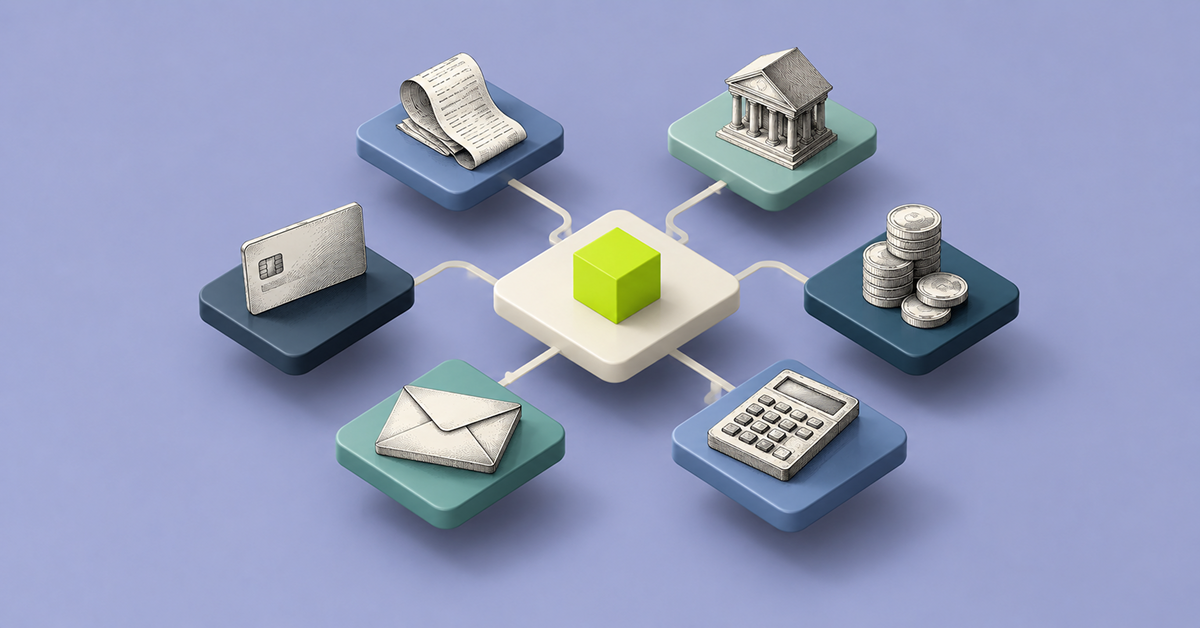
Weel does not forecast cash flow, and it is not trying to be another line in the cash flow forecasting software category. What it does is close the gap between spend happening and spend being visible to whoever is building the forecast.
Every card transaction and expense claim is visible and categorised the moment it happens, not once a statement arrives. A purchase is coded to the right category as soon as it's made, routed to the right approver automatically, and the receipt attaches itself without anyone needing to chase it down at the end of the month.
Confirmed spend gets a clear approval trail instead of sitting in limbo, and it syncs to Xero, MYOB, or NetSuite as soon as it's approved, not once a statement arrives, so it's still relevant to this week's forecast, not next month's.
None of that builds your forecast for you. It means the direct or indirect model your finance team already runs, whether in Xero, MYOB, or a spreadsheet, is working from spend data that is days old rather than weeks old. That is the difference between a forecast your CFO trusts and one that gets quietly rebuilt every time the bank balance surprises someone.
Growing businesses do not need a new forecasting tool to fix a forecast that keeps missing. Most need to fix what is feeding it. Book a Weel demo or take the product tour to see how real-time spend visibility keeps whichever forecast you already run current.