



The federal budget dropped last Tuesday. Six weeks to June 30 with Payday Super starting 1 July.
This edition covers what you need to understand from the budget, what we heard across three events in two cities this week, and what to have sorted before June 30.
Inside this edition:


What passed, what it means, and what's worth a second look. Here's what we think is most relevant for SMBs and growing businesses across Australia - in order.
The $20,000 threshold for businesses with turnover under $10m is locked in – no more annual renewals. (SmartCompany)
Companies under $1b in turnover can offset current-year losses against tax paid in the prior two years and receive a cash refund – from 2026–27. Most valuable when built into FY27 planning before the year starts. (Baker McKenzie)
Startups under $10m turnover in their first two years of operation will be able to access a refundable tax offset on losses, limited to FBT and withholding tax paid on wages. Effective 1 July 2028 – worth flagging now for early-stage businesses planning ahead. (SmartCompany)
From 1 July 2027, more businesses can opt in to dynamic instalment calculations based on current-year income rather than prior-year estimates – less cash sitting in ATO overpayments for businesses with variable revenue. (PwC)
R&D tax incentive offsets increase materially from 1 July 2028. Discretionary trusts face a 30% minimum tax from the same date, with three years of rollover relief. Worth a conversation with an adviser if either applies to your business. (EY)
The government is targeting a reduction in average cost growth from 10%+ historically down to 2% over four years, through tighter eligibility and standardised assessments. For NDIS providers, the revenue impact is structural rather than cyclical – FY27 plans built on current funding flows are worth stress-testing. (CommBank)
The 50% CGT discount changes don't take effect until 1 July 2027. Negative gearing changes apply only to properties acquired after budget night (12 May 2026) – existing properties are unchanged. (KPMG / Baker McKenzie)

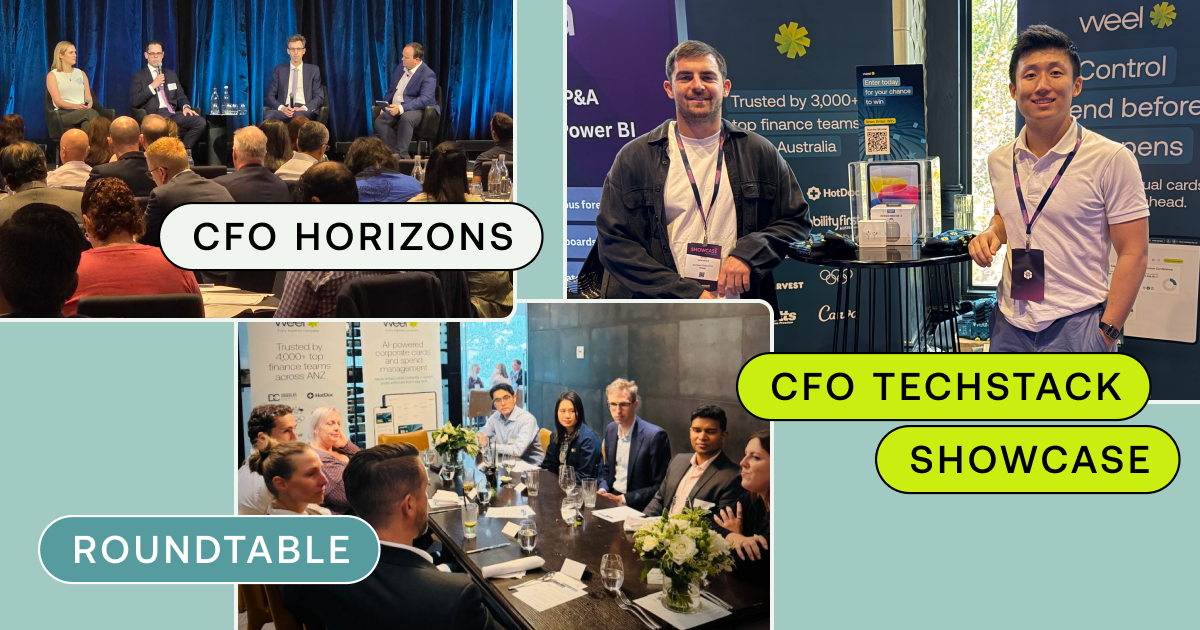
Last week, the Weel team was at the CFO Horizons and our CFO Roundtable in Brisbane, as well as the Mayday CFO Techstack Showcase in Sydney. Three events, two cities, hundreds of finance leaders across two days.
The same conversation came up in every room. Finance leaders know what good looks like – the visibility, the controls, the month-end close process that doesn't become a fortnight of pain. The gap for most is getting from "knowing" to "having" it in place.
As our CFO & COO, Damon Hauenstein put it: "The leaders moving fastest are on the tools themselves – experimenting, exploring, understanding what's possible."
This is what Weel is built for – helping finance leaders close the gap between knowing what good looks like and having it in place.

Our job is to help you do less manual work. This edition, we want to surface a couple of things we've built with exactly that in mind; designed so you spend less time inside Weel, not more.
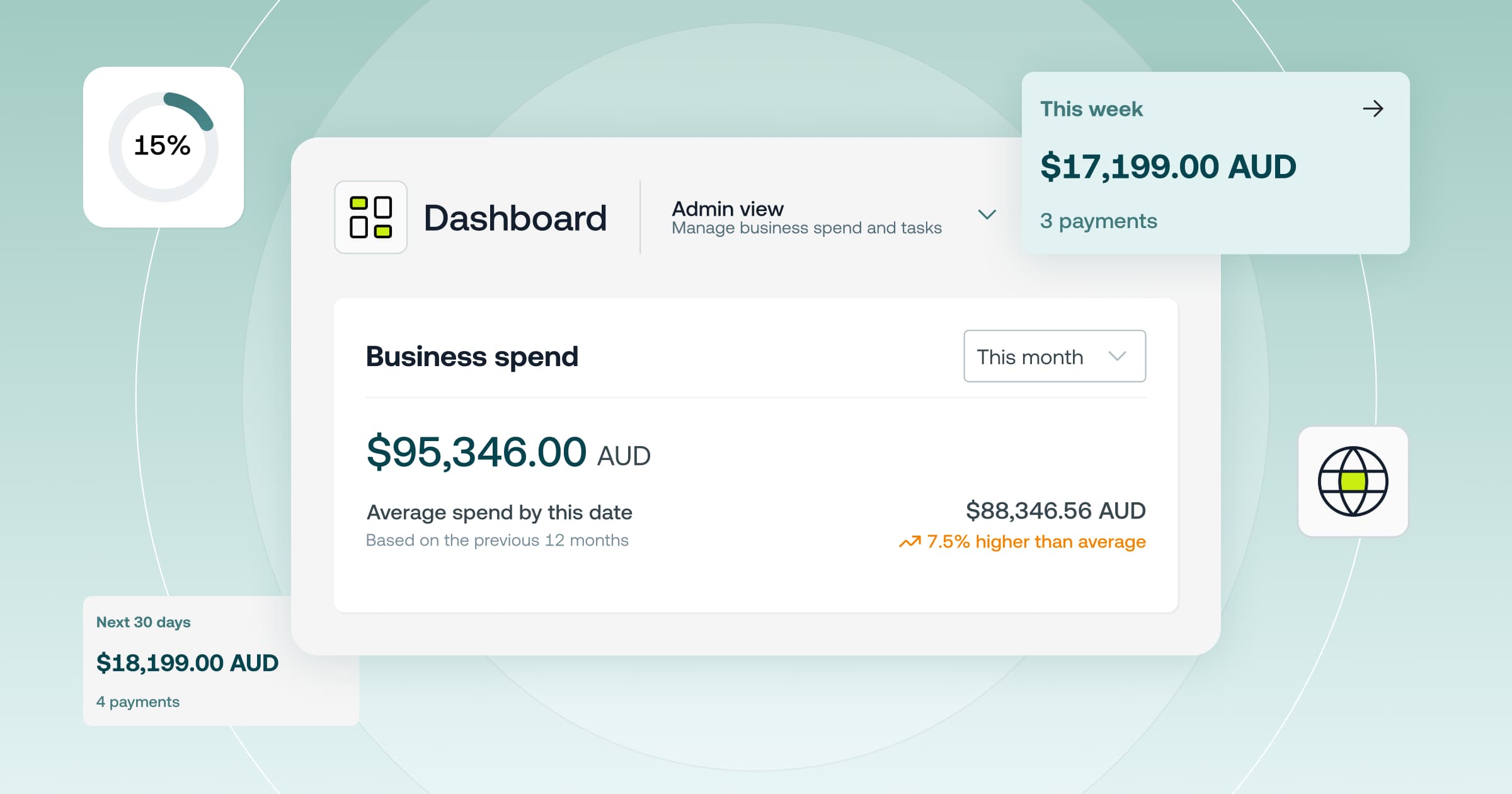
We built dashboards so you can come in, see where you stand, and get out. Spend by team, by category, what's outstanding, what's waiting on approval – all of it in one view. No spreadsheet, no waiting for month-end.
Our CTO, Russell Martin, walks through how we built it and why, in two minutes.
Want to learn more about our all-new Dashboards? Click here.
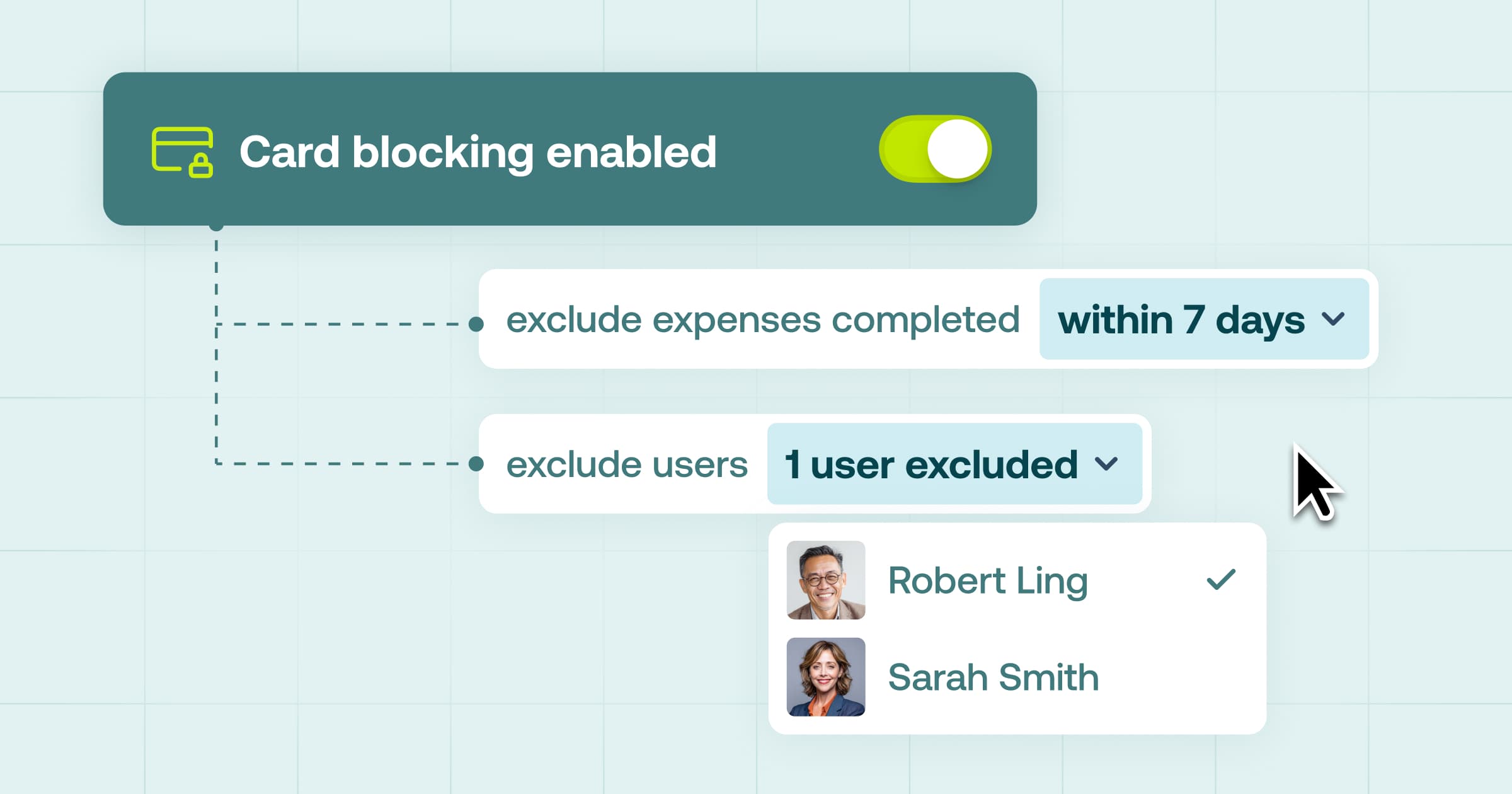
Chasing people for receipts is nobody's favourite job. With Card Blocking turned on, when an expense is overdue, Weel blocks the card until the receipt is submitted. We play the bad cop so you don't have to.
Teams using Card Blocking see a 31% uplift in expenses submitted within 7 days. Some customers are hitting a 94% completion rate.
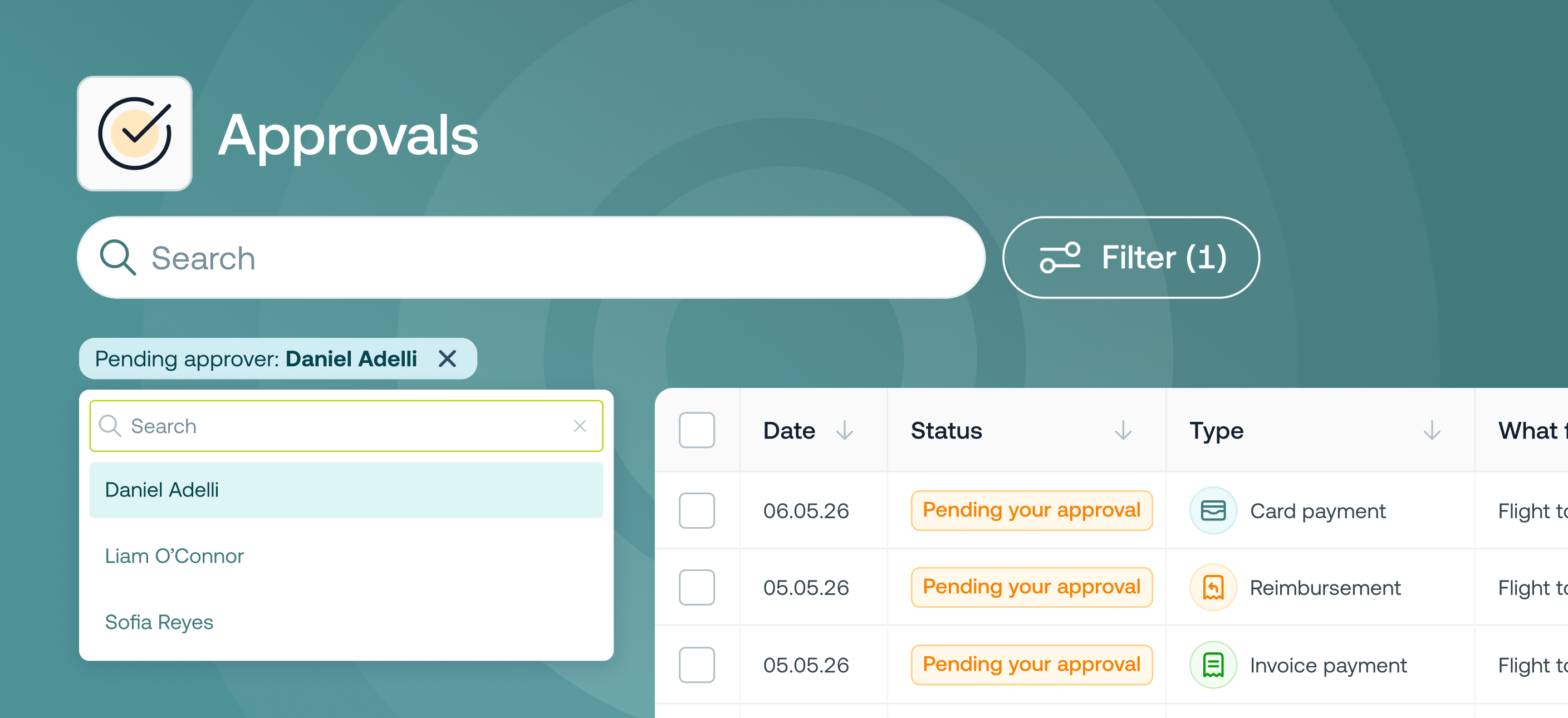
At EOFY, approval queues back up fast – and without visibility into where things are sitting, you end up nudging everyone and moving nothing. This update gives you a filtered view of everything pending and exactly who it's with, so you can go straight to the bottleneck instead of chasing blind.
RSM's National NDIS Subject Matter Expert – Kirsty helped deliver the ACT Government's sector-wide NDIS readiness program and has advised 70+ providers nationally on financial sustainability. She's already published on the Butler reforms. If your business is navigating the reset, this is not a session to skip.


Off the back of a highly-engaged session at this year's ANZ CFO Summit, and due to popular demand, David is back with a brand new AI workshop, and this time, we're going deeper. Be a part of a hands-on session on what's actually possible with Copilot and Cowork in finance workflows today.
Static annual budgets aren't built for the replanning cycles finance teams are running in 2026. Rolling forecasts, scenario modelling, and the tools that make them work without adding to your workload.


As AI automates more of the payment and approval workflow, the fraud surface shifts. This session covers where the new risks actually sit – and what controls to put in place before you get exposed.
87% of ANZ finance leaders are scaling AI. Only 35% can prove it's working. This session walks through the five findings and what to do about the gap.

We're building Weelhouse Wire for finance teams who want an edge. What should we keep? What should we drop? What do you want to see in next month's newsletter?
Reply directly to this email and let us know your feedback. We read every email.
Found this newsletter helpful? Forward it to a teammate and share the insights.